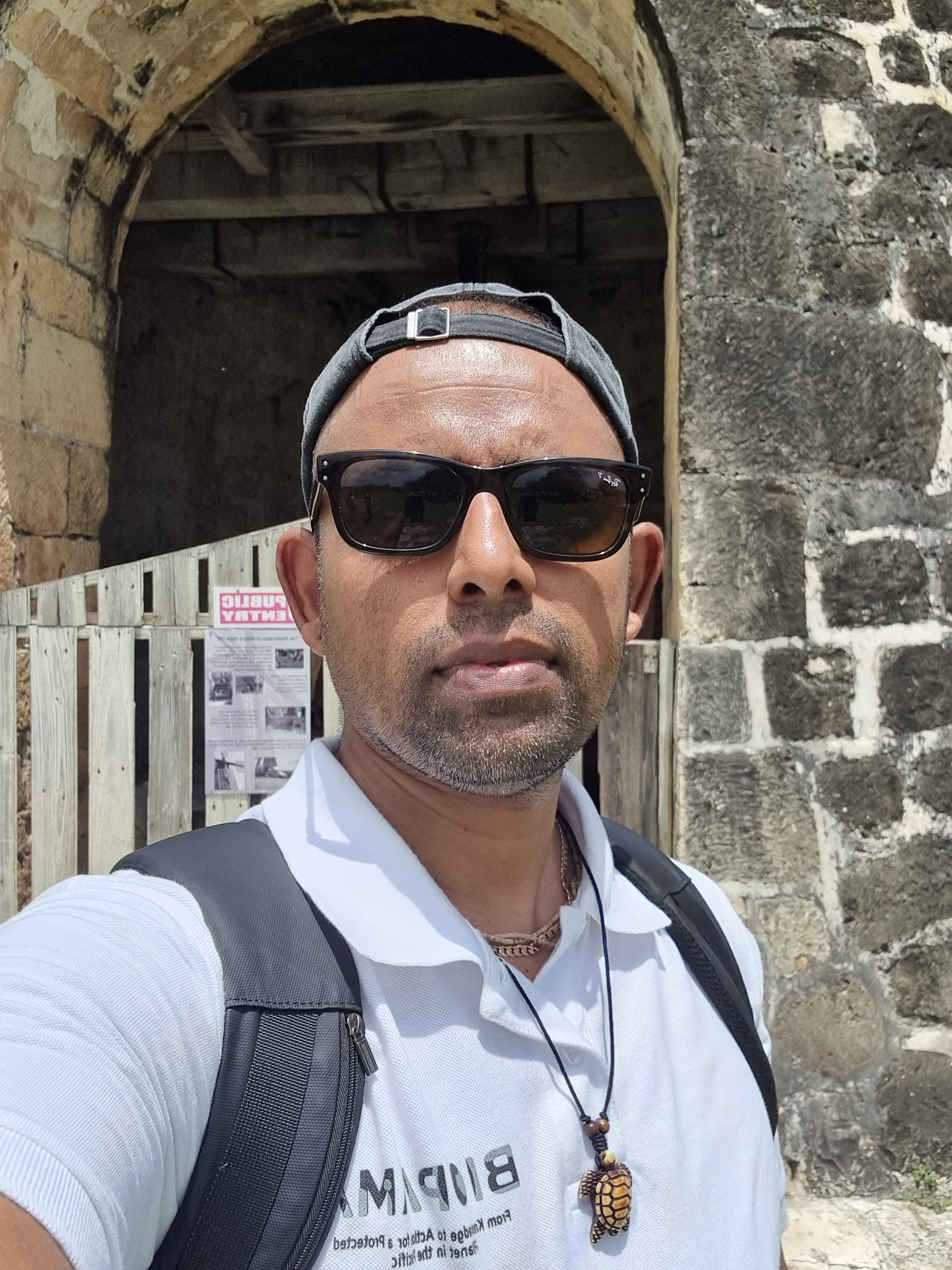
Greetings!
I recently had the honor of participating in the United Nations’ fourth session of the Small Island Developing States (SIDS) Meeting in Antigua.
I serve as the Regional Programme Coordinator for Protected and Conserved Areas in Oceania within the International Union for Conservation of Nature (IUCN). With over 15 years of experience in biodiversity conservation, planning, and policy and project implementation, I have dedicated my career to advancing sustainable development in both governmental and non-governmental sectors at regional and national levels. My primary focus is on effectively implementing biodiversity strategies and action plans to foster environmental resilience. [ IUCN Side Event ] [ IUCN Statement at General Debate ] [ Exploring Antigua ]
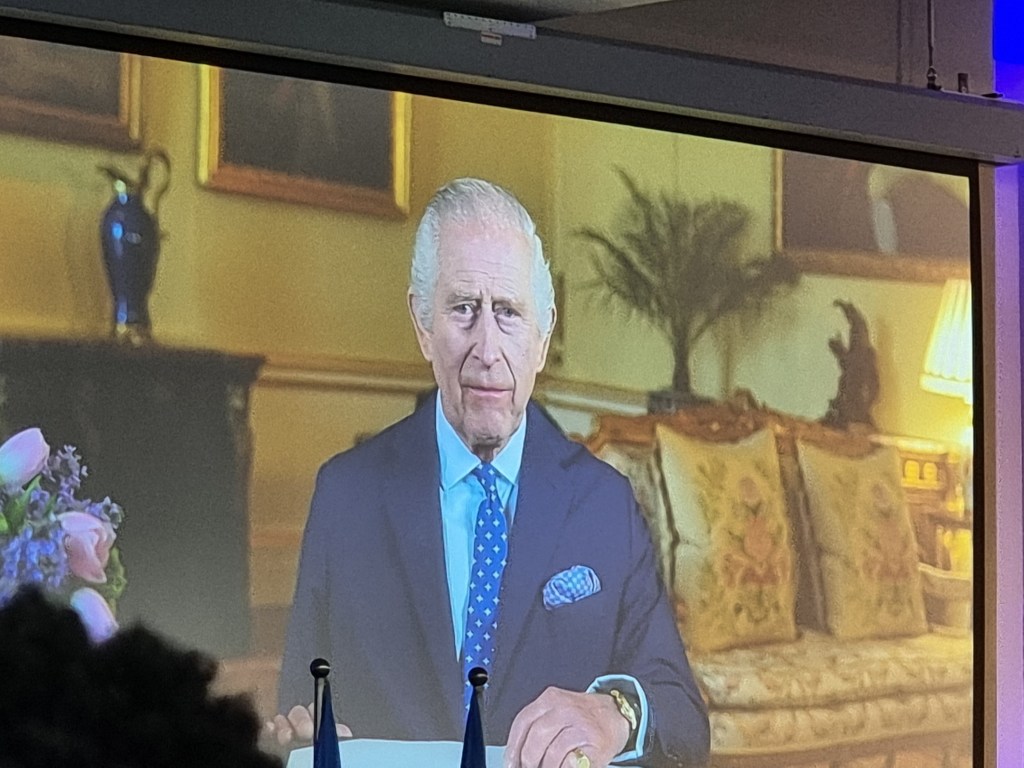
My professional journey has taken me across the globe, allowing me to collaborate with diverse communities, policymakers, and international organizations. In addition to my work, I have a profound love for travel and cultural exploration, which has enriched my understanding of the interconnectedness of global communities and the importance of addressing climate change and other global crises.
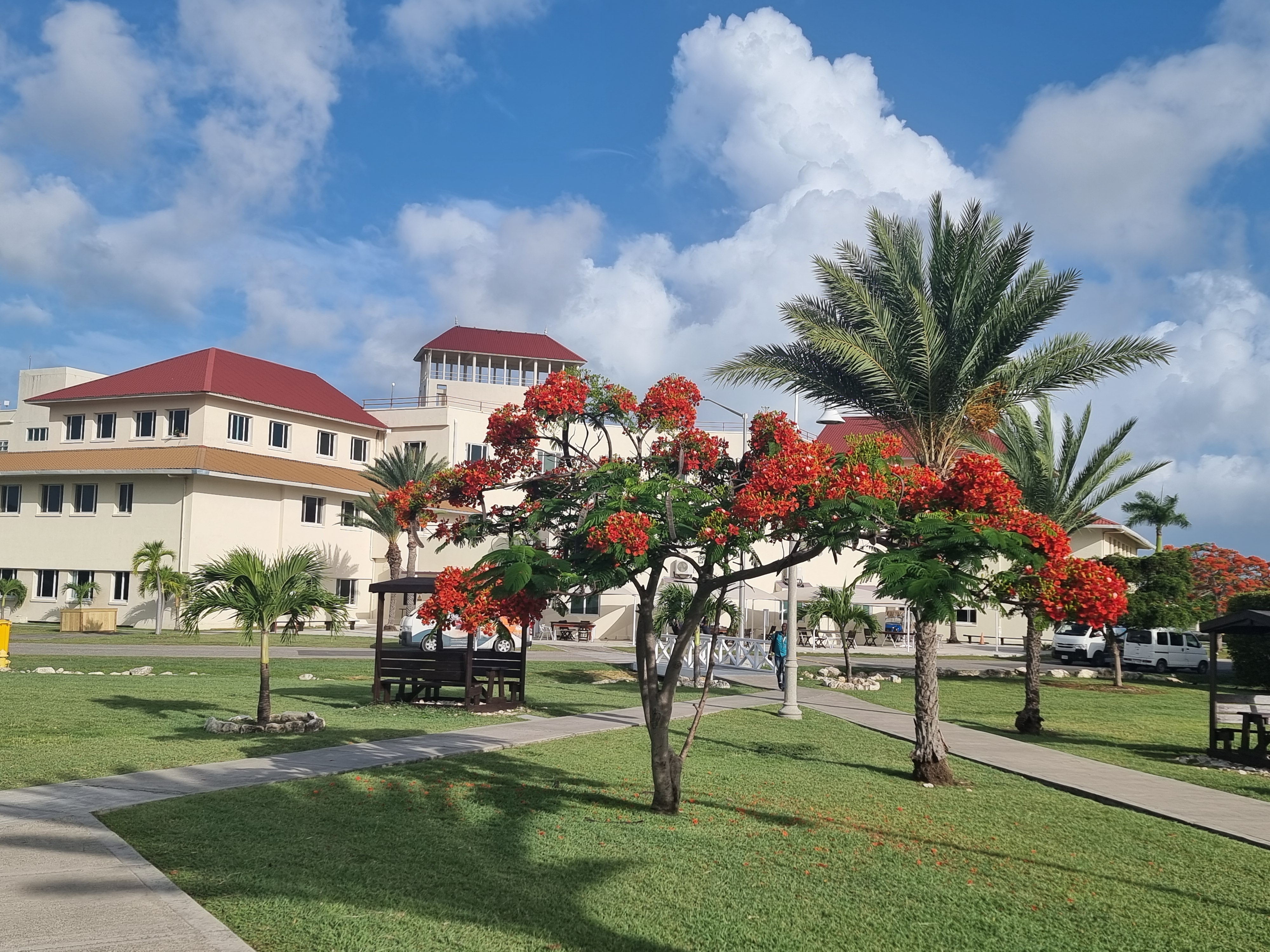
This week, I attended the United Nations’ fourth session of the Small Island Developing States (SIDS) Meeting in St. John’s, Antigua. The conference, held from May 27 to 30, 2024, at the American University of Antigua, was themed “Charting the course toward resilient prosperity.” It focused on assessing SIDS’ ability to achieve sustainable development, including the 2030 Agenda and its Sustainable Development Goals. The event aimed to produce an intergovernmental, forward-looking, and action-oriented political outcome document.
Small Island Developing States (SIDS) consist of 37 UN member nations and 20 associate members of regional commissions. These nations, notably vulnerable to global crises such as climate change, were first recognized as a special case in the 1992 United Nations Conference on Environment and Development in Rio de Janeiro, Brazil. Despite occupying less than 0.5% of the world’s surface, SIDS are spread across the Caribbean, the Pacific, and the Atlantic, Indian Ocean, and South China Sea (AIS) regions. Amid escalating global crises, including climate change and COVID-19, SIDS face ongoing challenges, frequently enduring environmental disasters and recovery efforts that test their resilience and sustainability.
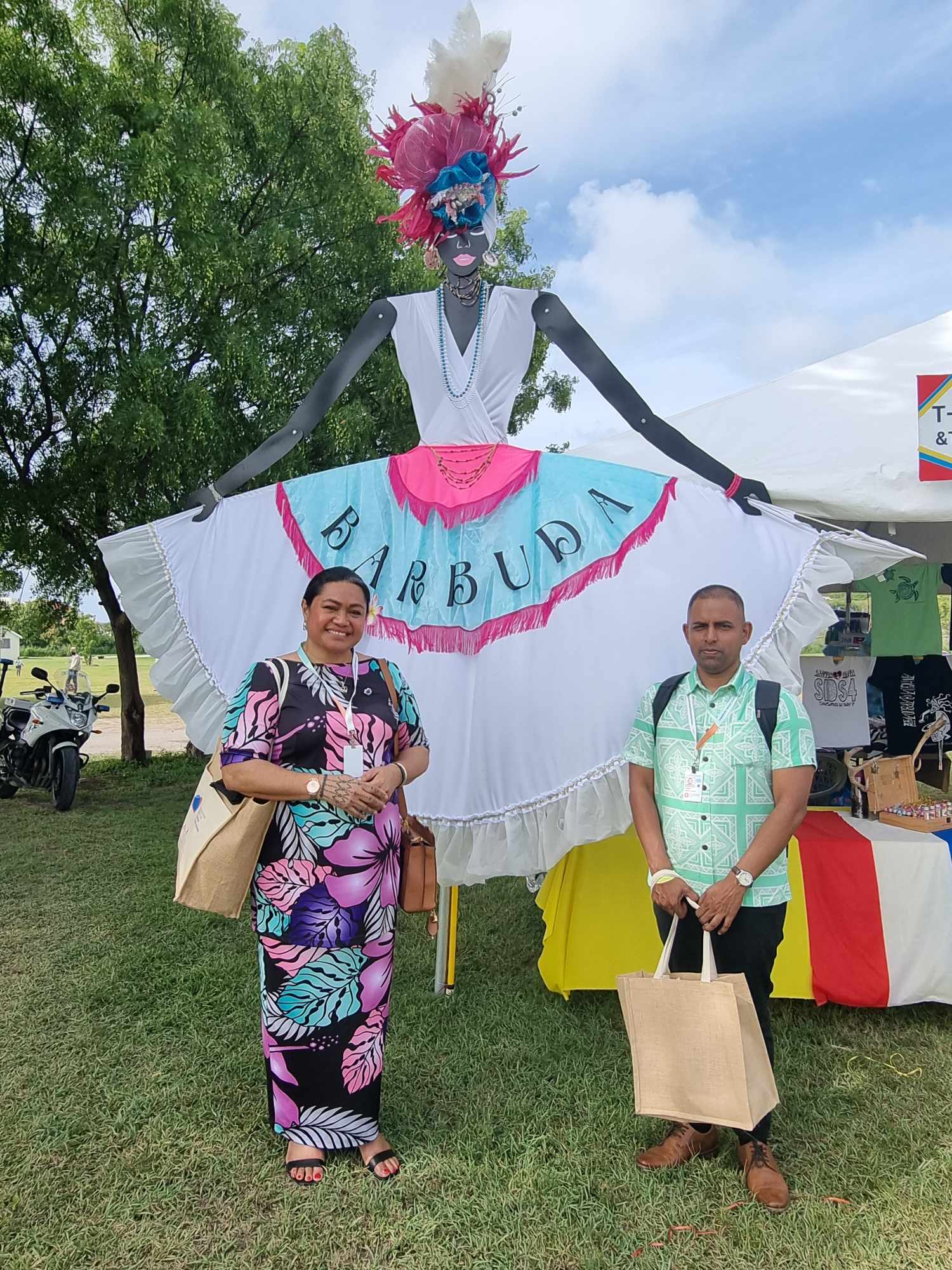
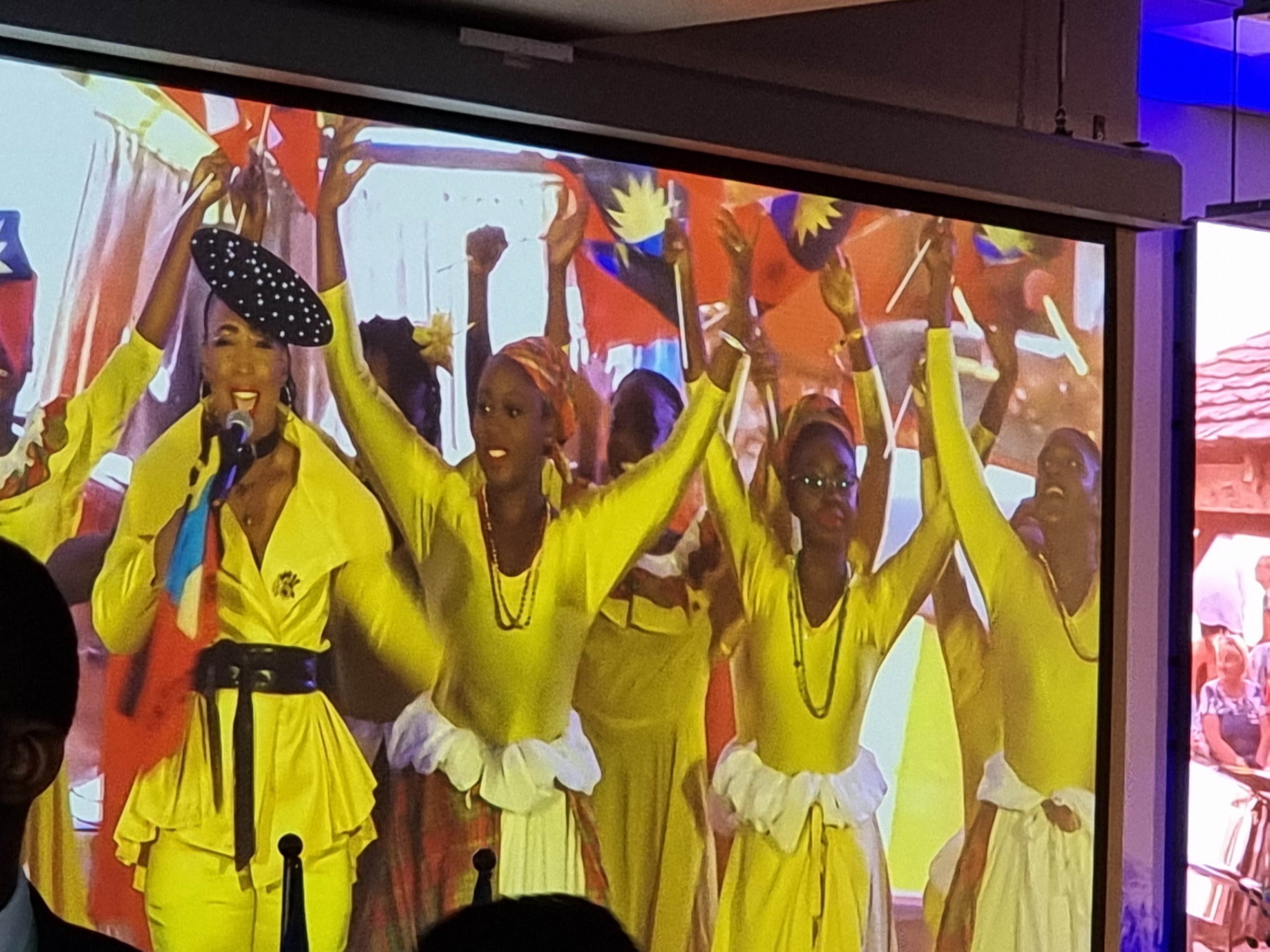
The proceeding of the meeting, the outcomes of the meeting and reports are based at the following link (see below) ; I only provide updated information related to my participation.
 RahulChand